
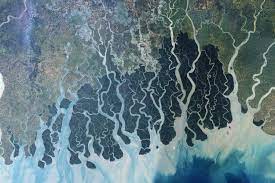
Sundarbans, located in the southwestern region of Bangladesh, is the largest mangrove forest in the world. The forest stretches over 10,000 square kilometers and comprises an intricate network of waterways, canals, and islands that make up the delta of the Ganges, Brahmaputra, and Meghna rivers. The Sundarbans is a unique and diverse ecosystem that supports a wide range of flora and fauna, including the famous Bengal tiger.
In this blog post, we will explore the beauty and biodiversity of the Sundarbans, the threats facing the forest, and the efforts being made to conserve this precious natural resource.
Geography and Climate
The Sundarbans is located in the delta region of the Ganges, Brahmaputra, and Meghna rivers. It is spread across Bangladesh and India, with the majority of the forest located in Bangladesh. The Sundarbans is a low-lying area that is susceptible to flooding during the monsoon season. The region has a tropical climate with high humidity and temperatures that range from 20°C to 40°C. The monsoon season typically lasts from June to September, and during this time, the region receives heavy rainfall.
Biodiversity
The Sundarbans is home to a wide variety of flora and fauna. The forest is famous for its Bengal tigers, which are one of the rarest species of tigers in the world. The tigers in the Sundarbans are known for their unique adaptation to the mangrove ecosystem, including their ability to swim and hunt in the water.
In addition to the Bengal tigers, the Sundarbans is home to a diverse range of wildlife, including spotted deer, wild boar, macaques, crocodiles, and a variety of bird species. The region is also home to several species of mangrove trees, including the Sundari tree, which is the most dominant species in the forest.
Threats to the Sundarbans
Despite its unique beauty and biodiversity, the Sundarbans is facing a range of threats. The most significant threat facing the forest is climate change, which is causing rising sea levels and more frequent and intense storms. The increased flooding and erosion caused by climate change are threatening the mangrove ecosystem and the wildlife that depends on it.
Another significant threat to the Sundarbans is human activity. The forest is home to millions of people who rely on it for their livelihoods, including fishing and agriculture. The growing human population in the region is putting pressure on the forest, leading to deforestation, overfishing, and pollution.
Efforts to Conserve the Sundarbans
To address the threats facing the Sundarbans, several conservation efforts are underway. The government of Bangladesh has established the Sundarbans Reserve Forest, which covers over 6,000 square kilometers of the forest. The reserve is home to several conservation programs aimed at protecting the biodiversity of the forest, including the Bengal tiger.
In addition to government-led efforts, several non-governmental organizations (NGOs) are working to conserve the Sundarbans. For example, the Bangladesh Centre for Advanced Studies (BCAS) is working to promote sustainable development in the region by promoting alternative livelihoods for the local communities, such as eco-tourism.
Conclusion
The Sundarbans is a unique and diverse ecosystem that is home to a wide range of flora and fauna, including the famous Bengal tiger. Despite its beauty and biodiversity, the forest is facing a range of threats, including climate change and human activity. To address these threats, several conservation efforts are underway, including government-led initiatives and NGO programs. By working together, we can ensure that the Sundarbans remain a beautiful and thriving ecosystem for generations to come.
About Post Author